
Leaderboard



Popular Content
Showing content with the highest reputation since 21/10/26 in Posts
-
No such thing as an illegitimate child. They are Legit. The problem is related to the Parents situation.. It's the fault of the Church Wowsers and holier that thou, types. Nev4 points
-
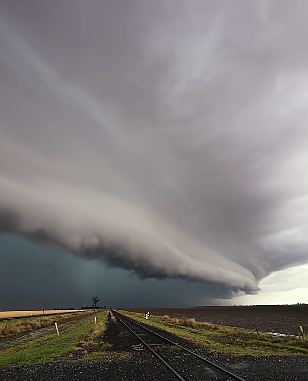
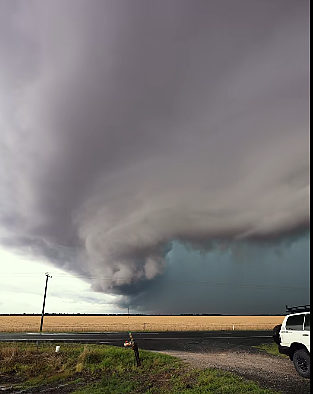
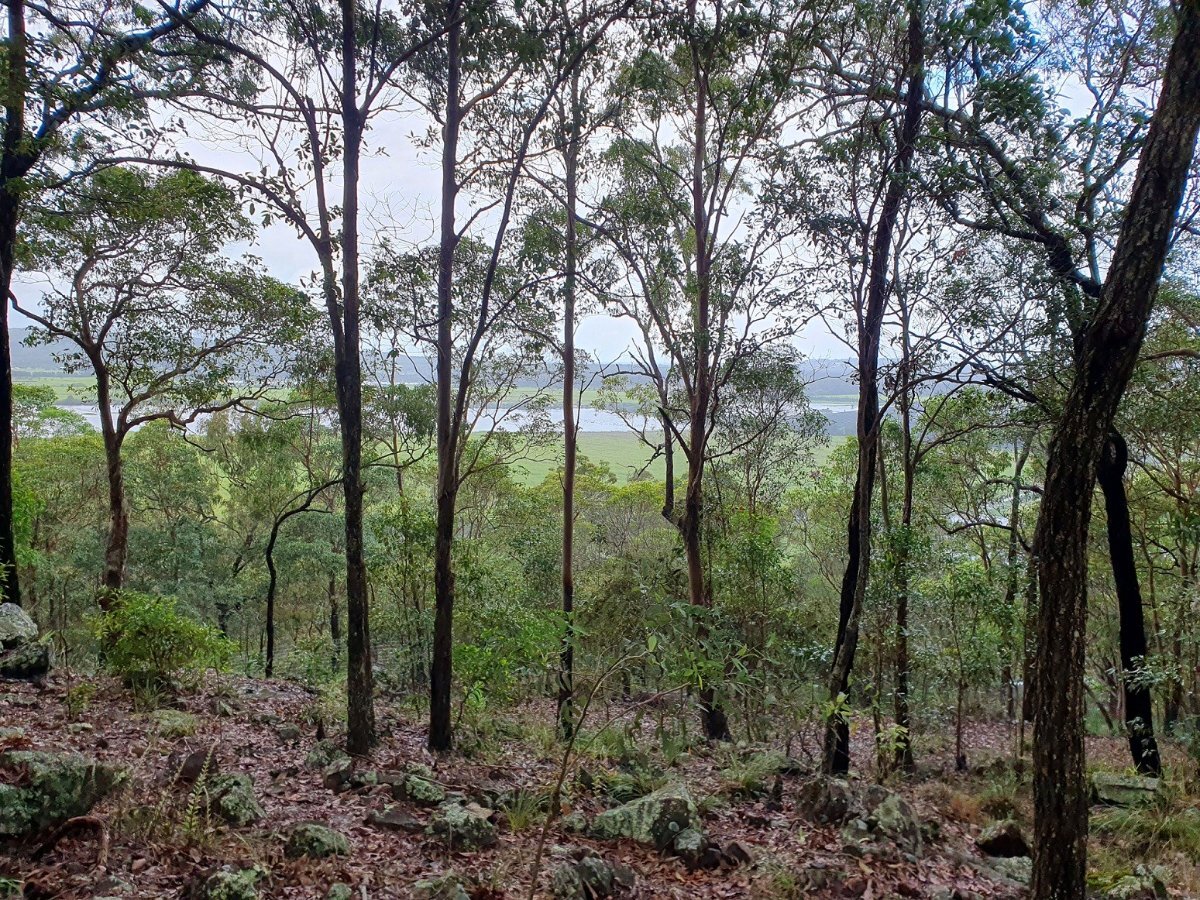
Storm clouds on the Darling Downs on Thursday.
 4 points
 -
Why don't you spend time convincing us just how bad he has been for Australians. The inflation you have at the moment is largely globally driven and Australia, which is heavily dependent on imports of fuel thanks to decisions made way back in the Howard era where Japan and China buys gas off us at knock down prices and on-sells for the profits. This denies Australians accessing their own resources at what should be these knock down prices, but also results is massively lost profits locally as a result and also increased input costs as we have to buy our energy at global rates. Sadly, your issue at the moment should be with Chump. The CGT reform - yep can be argued as a bit overboard for some asset classes and it will depend on where you sit in terms of the housing market. If you are a house owner in the cities, yep you are probably spitting a bit as the prices return to a more natural normal rather than the artificially high prices resulting from a disproportionate incentive to invest (and create unnatural demand) in an investment asset class because it was treated more favourable from a tax perspective than other asset classes. However, longer term, the prices will stabilise and those who recently purchased or use leverage to fund investment will be back in the black. But at the same time, it makes housing affordable for people.. who need housing.. Also, as I said unless you owe money on your house wyere you have seen your equity fall a bit, or you are using it as leverage, it will make no real difference as the price relative to other properties will be in synch... Pursuing net 0 is absolutely the right policy for both longer term energy security and a simple fact - it will be over the same amortisation period as fossils, be a lot cheaper. So, for the future of the country, this is vital and people who are wedded for short term pricing are just kicking the can down the road. And that is before the environmental costs kick in. There is only one developed and not too many major emerging markets that aren't pursuing renewables as a, if not the major source of generation. Yes, China is building fossil plants still; its demeand is insatiable, but its is building renewables at a much bigger rate. I am not sure where this sits, but at least a policy promise of the Albo government is to buy Australian. i.e. use public money to channel into Australian rather than foreign interests. As I said, I am not sure where it is. In the fuel crisis, Albos was far quicker than most other nations to reduce tax to reduce the burden on the consumer; many countries (such as the UK) didn't do that at all. If you compare the above to the previous conservative government (and I did a fuller analysis somewhere else), then largely Australia is better off than pursuing the LNP policies, and good luck to you if you think PHON's policies are going to result in an economic nirvana. There are some things that Albo needs to get a grip on.. definitely: Sovereign debit has increased past $1TN. Australia still retains it's AAA+ status with all major agencies, but this is something that needs to be reigned in. The Gas Excise should be applied. Look at Norway and Qatar to understand why. AUKUS is a joke - we could use that same amount to build a locally owned and controlled defence industry pumping out weapons that would really be of use to us. The Fair Work Act, I think is overly onerouos - not so much on the pay and conditions, but all of the other obligations it imposes. There was a case where an award was won under the fair work act because, as I recall, the employer didn't take appropriate steps to protect an employee from domestic abuse... I have to look it up, but it was along those lines. That is, to me anyway, clearly beyond the responsibility of the employer (maybe with some narrow exceptions). AI is coming and it is going to bite faster than people realise. Provision and structural changes are needed to insulate Australia from the worst. I am sure I have missed from both sides of the argument. Labor could do a lot better, but if we had LNP or PHON, they would also need to do a lot better if they implemented what they said they would... and they would have to do a lot more to even catch up to Labor. I am not a "socialist" by any any stretch of the word except one... I do think that people have to work for the economy, but the economy also has to work for the people. And I do believe in a fair reward for risk..Capitalism so far has the most effective allocation of resources. Of course, the fully competitive market can only ever be a theory, and I think you are mixing up true socialism with ensuring fairness in the markets. The disproportionate rewards compared to the risks taken especially at the multinational or large corporate level is currently obscene.3 points
-
Many of the adopted children have gaps in their history as they grow older. Did they love me? Why was I given away? Was I not wanted? What happened to my birth parents? Were they married? Was I the result of a one-night stand? Are they still alive? Did I have any siblings or half-siblings? It's very hard for someone to discover that their parents were married and they had older and younger siblings. Why would parents give away a middle child? The reasons for giving up a child are many. The mother may only have been 15 or 16 and too young to care for a child. Casual relationships that broke up, with no support for the child. Strict parents not wanting the shame. Religious attitudes to unmarried mothers. Mixed races or religions (Catholic and Protestant in Ireland). Relationships with foreign servicemen reposted to their home country. Even for married couples, if the father is out of work or in prison. And the list goes on. Another consideration is genetic disorders passed from generation to generation. There was a couple who had to surrender their child because they couldn't afford to feed themselves, let alone a baby. They stayed married for a couple of years, then divorced. The father suffered a heart condition and then discovered it was a genetic disorder. The race was on to locate the son. The parents searched together, through the program, and located the son. He was tested and found he had the disorder. He was only months away from a heart attack, but was treated in time and saved. Mothers forced to give up their child `through parental pressure, social stigma or economic circumstances pine for their lost child for the rest of their lives, wanting to know if they had a good life, loving adoptive parents, and have made good as they grew up.3 points
-
Just like IRAN? I want Freedom FROM Religion. Keep it OUT of Politics. Nev3 points
-
I must say that I don't find Bush Barbie's style of comedy comes anywhere near the standard our earlier comics (non-gender term used deliberately). From the videos I've seen of her, she uses her physical appearance to attract ateention, which it sure does. However, having grown up enjoying the witty use of language and irony, both in the English and Australian styles, I think she just doesn't come up to standard.3 points
-
It's not aimed at Indonesia. I haven't looked at Peter's link, but I've seen news articles about poor people in Indonesia and other countries who have learned to turn a dollar by posting AI generated shit, usually aimed at the more gullible right wingers. The more outrage and reposting it gets, the more they earn, so they pick divisive figures like Pauline. They don't give a shit about Australia's internal politics, it's just a way to make a living.3 points
-
Help!!!! I'm drenched. Clouds passed over and deposited 8mm of water on me.3 points
-
3 points
-
3 points
-
I assume that every party compiles a shit list on anyone not in their party, and probably many in their party too. Not a good look, but judging by what everyone is saying about her, it wouldn't be a big list anyway.3 points
-
I can't keep up with the bikes. I've tried leaning the Rodeo into corners but it doesn't seem to work for some reason.3 points
-
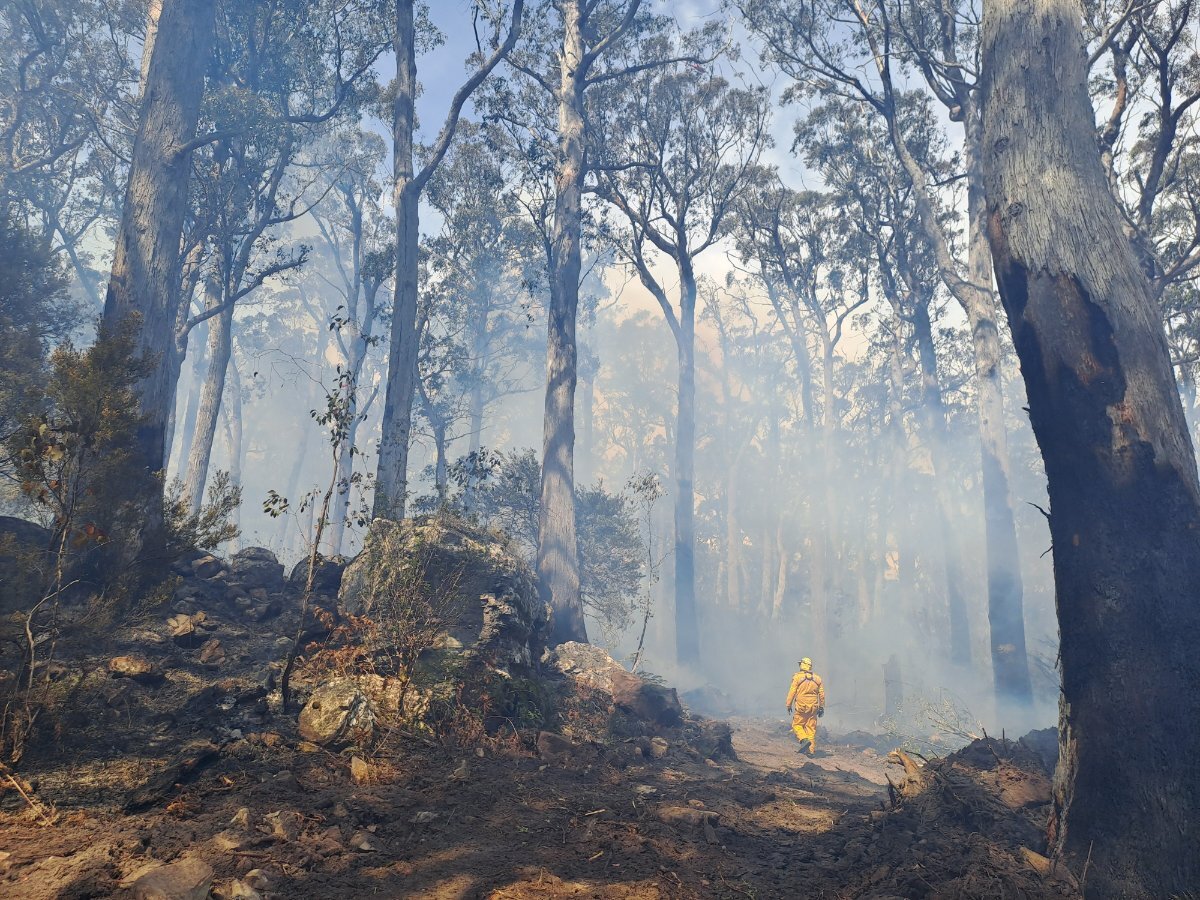
Crikey I wish it was wet. Today was 30 degrees, under 30% humidity and 30kts wind. Spent the day on the fireground only 10k from home. Rough country. It was blowing hard and gusting, towards our place. There were 5 choppers running water bombing all day. We had 2 x D8 dozers cutting a firebreak but the fire jumped that about the same time as one dozer broke down. The terrain was too steep to get our appliances within striking distance of the fire front. Tonight the wind dropped, the fire slowed down. Hoping for drizzle tonight but rain would be real nice. I'm not going out tomorrow (too tired)but there will still be a dozen firetrucks out. So far about 70 hectares still smouldering.
3 points
-
Glad someone got some good out of it. One thing I miss from Qld, is the pleasure of watching a real thunderstorm come through. Darwin is also (or only) famous for beautiful towering cu-nim thunderstorms.3 points
-
I think that’s very likely but Trump also sees Putin as the gold standard for the type of political leader he wants to be and wants to do business with, and is frustrated by being pushed to impose sanctions instead, and has someone in Zelensky who stubbornly won’t give him what he wants and was responsible for him being impeached.3 points
-
Quote from heathercoxrichardson.substack.com :- First: it was exactly ten years ago tonight that then–Democratic presidential candidate Hillary Clinton told the American people that Russian president Vladimir Putin hoped to have a “puppet” in the White House, and that Donald Trump was that puppet. A scowling Trump responded: “No puppet. No puppet.” Clinton continued: “It’s pretty clear. Trump interjected: “You’re the puppet.” Clinton continued: “It’s pretty clear you won’t admit…” Trump interjected: “No, you’re the puppet.” Clinton: “...that the Russians have engaged in cyberattacks against the United States of America, that you encouraged espionage against our people, that you are willing to spout the Putin line, sign up for his wish list, break up NATO, do whatever he wants to do, and that you continue to get help from him because he has a very clear favorite in this race.” Trump shook his head disparagingly. Ten years later, Trump is openly embracing Putin and is working to destroy the strongest and most successful alliance in human history to cement that partnership, apparently with an eye to enriching himself. And so, the events of the present change the way we see the past. Had Trump strongly supported Ukraine as Congress has demanded, and stood firm against Russia, a country that is, after all, a minor economic player whose military is flailing at its attempt to absorb its neighbor, we would rightly dismiss Clinton’s warning as campaign hyperbole. As it is, though, Trump’s tie to Putin—the story he has always tried to bury by calling it the “Russia, Russia, Russia hoax”—seems likely to emerge as the central story of the Trump years. As Clinton wrote today: “In just the last few days: Trump made a deal for the U.S. to buy Russian diesel, an economic lifeline for Putin; he and Elon Musk blamed each other for an order that slowed down Starlink satellite connectivity over Ukraine, hampering the country’s defenses during a devastating Russian attack; and Trump waived sanctions on Russia that Congress, led by his late friend Lindsey Graham, had pushed for. Now, Putin has proposed a summit with Trump and Xi to decide Ukraine’s fate for them, bulldoze a century of international cooperation, and frame Russia as an equal to the U.S. and China. “We’ll see if Putin’s puppet continues to dance on his strings.”.....more....3 points
-
How could anyone say he is a good prime Minister. He has no interest in helping Australians . I have to stop before I get in trouble again. Too many left wing socialists here.2 points
-
All true Peter. It's all very sad. Nev2 points
-
Well Marty, in my opinion it's nothing to do with parties or one side or the other. I look at it purely from the point of view of the position of prime minister and the certain amount of decorum and basic manners the holder of that office should have. What he did has nothing to do with what party he's from. My concern about what happened is that any prime minister of Australia would behave like that. I'd be pounding on him exactly the same if he was a Liberal prime minister or from any other party. Sure, a lot of them have done some crazy things over the years, like Gorton falling asleep pissed on a plane, waking up and spewing on the floor. And like that other time he was full as a boot at a function and made some very crude remarks about an African diplomat's wife when he was introduced to her. The point is, Albo, through his job position shamed the office of prime minister of Australia. When he (or anyone else in the position) does something like that, I couldn't give two hoots what party they're from. Just because other PM's have done bad stuff doesn't lessen what he's done. I can't see how whataboutism should apply here. No amount of yeah but's will lessen it2 points
-
While it is fantastic that AI can conjure female versions of male celebrities, and no doubt male versions of female celebrities (I wonder if they will come with man-boobs), this is a storm in a teacup. Last weekend, I decided to put the lesser reputed "vibe coding" AI between the titans to the test - ChatGPT (Claude is reputedly far better). I asked it how do I go about establishing an online travel agent aka the likes of expedia et al. It went through everything - the current and future known regulatory issues, as a start up the options to take with least investment and recommendations, and with a simple prompt, built me a functioning web site. And when I say simple, the prompt was: "Build a private interactive website for my travel disruption-support business concept. Let me model a booking containing flights, hotels, car hire, and other suppliers; vary who contracts with the customer and how payment and commission flow; and compare when the arrangement is likely to remain separate bookings versus become a package in the UK and Australia. Include clear assumptions and regulatory caveats, and make the tool useful for exploring an OTA (Online Travel Agent) model that owns disruption support without promising supplier-controlled outcomes. Validate the key interactions, host it privately using Sites, and give me the working deployed URL. Do not publish it publicly without my approval." Well, that wasn't quite my prompt as it corrected my prompt to clearly articulate what I meant. The only think it left off was some cybersecurity requirements I specifically wanted so I added them in a later prompt. It built the whole website, release pipelines, testing using different agents. You could see the agents interacting with each other - the test agent failing something, the development agent fixing it or in a couple of cases correctly stating why it was designed that way. In less than two hours, I had a functional website with all the features I asked for ready to test. I will use AI to generate Selenium scripts to test the website. Selenium is an open source website testing tool used throughout the industry. I imagine it will take 1/2 hour to generate all the requisite tests. The vast majority of my time will be validating everything, but that will be 1/10th of the time if that of what would be a normal development cycle. BTW, Chat also included the integration to the wholesalers and affiliate agents - full account management - and a separate UI for "employees" if they are ever needed; not just the look and feel of the site. I need to tweak a couple of user interface elements as it has built it with too much artistic licence, but in theory could release the lot in a few weeks - with no developer or QA resource.2 points
-
In most of Australia people drive on the left. In Victoria they drive on what's left.2 points
-
You'd hate it worse if you were the bloke nearest Hopoate in the scrum.2 points
-
If you define success by batting away consequences of being quite active in the Epstein files, it was quite successful2 points
-
The naming difference between the two forms of football came from what might be classed as social class sources. The Rugby Football Union was established in London in 1871, uniting 21 clubs and officially standardizing the laws of the sport. So it was a joining together of a group of clubs, no doubt to enable a competition to be run. In 1895, the sport split into two separate codes—rugby union and rugby league—over a dispute regarding "broken-time payments" (compensating working-class players for missing work to play). There's your social class factor. Very much a similar thing happened with cricket, with the non-paid players called The Gentlemen, and the professionals.2 points
-
Has Trump realised she is not blonde nor white? Granted she is dumb, so thats a start.2 points
-
Rugby is not a sport, it's a brawl with goal posts. A quote from Midsomer Murders.2 points
-
I recall crawling under the house with a car jack, and slipping a bigger bit of brick under a bearer to get rid of a dip in the floor. When the place was sold, the building inspector didn't look under the house. Building and pest inspections are a big rort. I once paid for a pest inspection that didn't notice big holes in the panelling where the cockroached had eaten through the plasterboard under the kitchen sink. I put it down to inexperience (because I hadn't looked there either). But learnt to do my own thorough inspecting.2 points
-
The fire stopped just short of a big tract of plantation pine. Couple of k the other side of Ranelagh.There were more (paid) Forestry Firefighters on the fireground than Tas Fire Service. We would usually spend a week walking the ground to black out the remnants but much of this ground is inacessible. There will be stumps smouldering for days or weeks that rain can't extinguish. Which means there is a risk that a strong wind might restart the fire. Safe for now though2 points
-
Get ready for an interesting fortnight for Trump. His best mate in the Middle East could be out on his ear. We'll know prety well by Wednesday. Serbians also look like ditching their authoriterian leader. We'll know if the Ynaks have come to their senses by 4th November.2 points
-
Back to 'Crikey it's Wet'. Yesterday the wind dropped, and the fire died down a lot. Maybe the 4 choppers waterbombing helped there. And still a dozen appliances and crews. Then it rained last night. Temps down to ten, humidity up to 80%, nil wind. Crikey it's wet 🙂2 points
-
With the modern day 24 hour news cycle, mud doesn't stick like it used to. The pollies are lucky we have a voting population with ADHD.2 points
-
Rush on wise guy, hell ain't full yet. The speed limit doesn't say you have to travel that fast, it's the maximum you are allowed to travel at.2 points
-
That was probably me. When I'm driving my wife's car.2 points
-
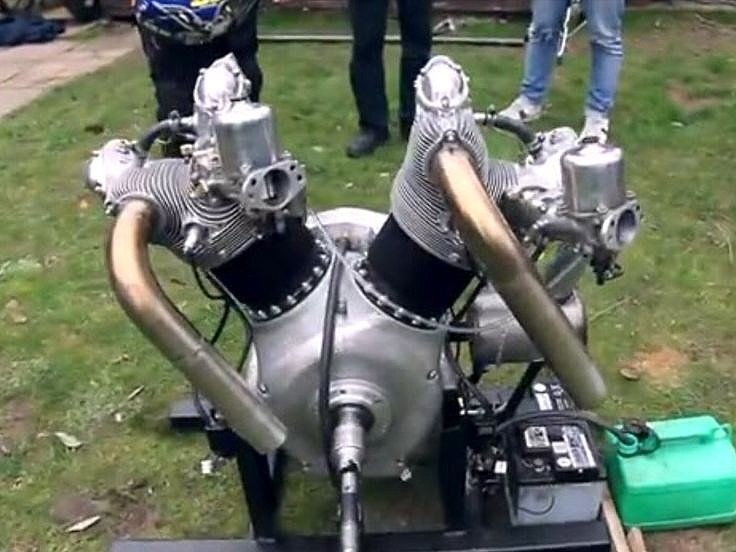
A low resolution photo of Allan Millyard's Pratt & Whitney V-twin, probably taken before he put it in the Flying Millyard.
2 points
-
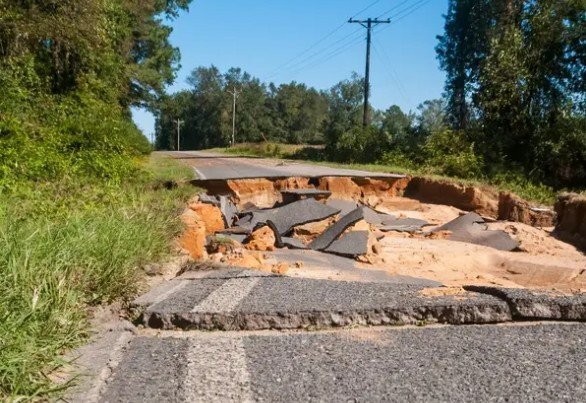
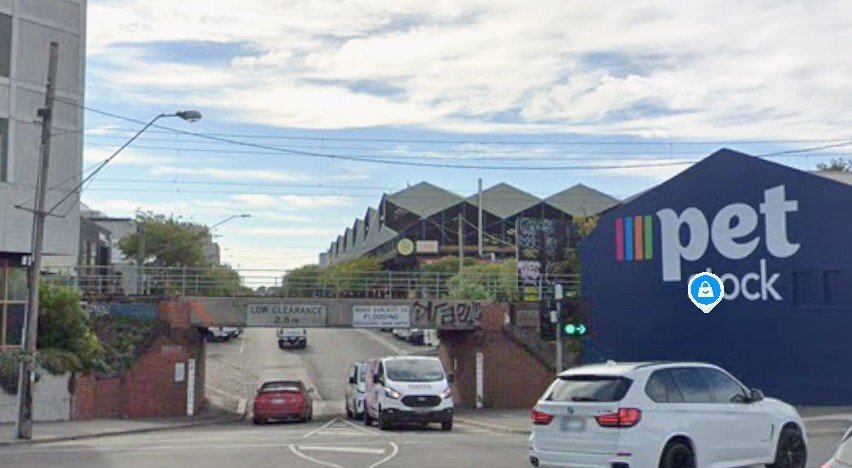
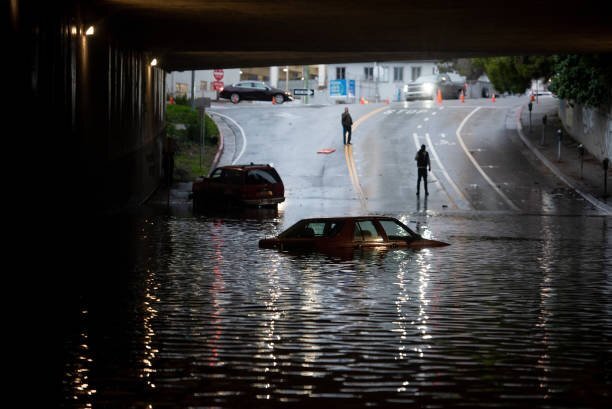
If you can't see the road surface through the water, how do you know the road hasn't been washed away like this? One of the worst locations in the Melbourne area is York St South Melbourne. The building with the diamond roofline is the South Melbourne Market. After every decent rain this is a common scene.
2 points
-
I consider driving through water ti be 'off road' driving. It requires an individual risk assessment before the attempt. It is unfair to compare it with running a red light which instantly places high risk of injury/ death to an unknown number of people who are likely to collide with the redlight runner. I wonder how many commentors have actually done much driving through water, and in what (of the many different types of) vehicles they have gaind this experience. I consider myself fairly experienced in water crossings, and I can see how easily the inexperienced/unwary driver can come to grief. But the same can be said of most motorists in otherwise normal driving. Like all things, you cannot legislate common sense. With common sense and some risk management, most drivers should be trained to make safe decisions and either safely cross water or sensible decide not to. Or maybe just ban motorcars because people can't be trusted to use them safely.2 points
-
Finally getting a bit of a break from the rain, just bits of drizzle today. All up since Sunday night 380mm or over 15 inches in the old scale. Photo is the valley flooded below my place, taken from my front yard. The water is up to the neighbour's house which is just across the street from my front gate.
2 points
-
I think you should reconsider the physics in play in the situation. The situation is one of change of Momentum. Just think about trying to land an airplane with a 90 degree crosswind. The faster the windspeed, the greater the momentum of the airmass, since the value of the momentum of an object is the product of its mass and velocity. The airplane has momentum also. The Law of Conservation of Momentum states that the total of a system, here the airmass and the airplane, remains constant. To calculate the momentum of floodwaters yoiu would need to know the flow rate past a reference point in litres per unit time, and the speed of flow in metres per unit time. I can't quote figures off the top of my head, but use your imagination to distinguish between a lot of water moving fast and a small amount of water moving slowly. You can do it becasue you have experienced it every time you take a shower or fill a bathtub. If you consider the case where a lot of water is moving quickly, you can soon see that the water provides the greatest amount of momentum to the water/vehicle system. Therefore, the water is going to change teh vehicle's momentum more than the vehicle will change the water's. Just think of the situation of a grasshopper hitting the windscreen of a B-Double. So, if the vehicle is moving slowly, it has less momentum and will be affected more by teh water. That's why we often hear that a vehicle was swept away afte stalling in the floodwater.2 points
-
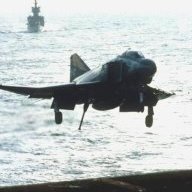
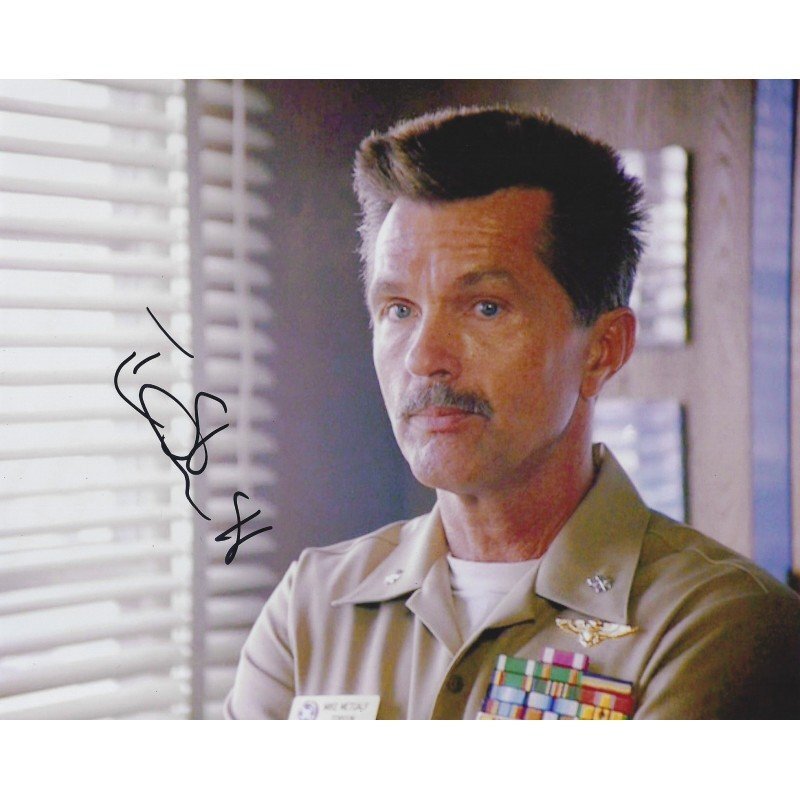
Tom Skerritt, the Emmy-winning actor who embodied a solid, wry authority figure, whether as a flight instructor in Top Gun, a tough-but-fair sheriff on TV’s Picket Fences or the doomed captain of Alien, has died. He was 93. Skerritt died Wednesday of natural causes, his family said in a statement.
2 points
-
Neither appears to see a problem with killing people. Nev2 points
-
So, to Trump and his Isreali mate, it's not a case of war halting elections. It's a case of elections halting wars. How sick is it that both these war criminals have decided to scale down their military actions until the elections which may or may not keep them in power are held?2 points
-
I reckon that it should be made illegal to drive a motor vehicle into flowing water. Just look at the news from Queensland of the number of rescues of people who had driven into fast flowing water. The example I saw only involved the driver, but how many time in recent years have we heard of both driver and passenger being drowned? Not only the lives of the vehicle occupants, but the lives of the rescuers are put at risk. I believe that the death of a passenger after a driver drives into flowing water should be dealt with as Involuntary Manslaughter. This is a homicide where there is no intention to kill, resulting instead from criminal negligence or an unlawful and dangerous act where a reasonable person would realize the act exposes someone to a risk of serious injury. Am I being too harsh? I think that through the publicity of the results of driving into flowing water, a normal person should know that such an act is dangerous. Harming another person by an act that is dangerous is accepted as being wrong. We know that the Law evolves to deal with new situations. This practice of driving vehicles into flowing water is one of those new situations.2 points
-
A 1958 model BMW. I can see where they get the Zeppelin name from.
2 points
-
He was killed by another politician/businessman who happened to be Vietnamese, but any opportunity for a bit of casual racism I guess2 points
-
Independent politician Helen Haines has lost her second leg following the horrendous attack on her at Wangaratta. They keep saying this is the first political attack in Australia, but ALP leader Arthur Calwell survived an assassination attempt in 1966.2 points
-
Rain? Yesterday we got the forecast thunderstorm! Tassie doesn't know what a thunderstorm looks like. Warm all day - mid 20's! (almost a heatwave for us). Straggly untidy cumulus built up all afternoon then some vague sky grumbles and a few drops of rain. The locals will surely be talking about it for years.2 points
-
Here's your answer: Supercheap Auto is owned by Super Retail Group Limited (ASX: SUL), a publicly listed Australian retail company. Repco: Owned by Genuine Parts Company (GPC) through GPC Asia Pacific, a large American automotive parts giant. Autobarn Australia is owned by the automotive aftermarket company Bapcor Limited. Bapcor also owns other well-known automotive networks, including Autopro, Burson Auto Parts, Midas, and Opposite Lock. Pedders Suspension & Brakes is a 100% Australian, family-owned company managed by the Pedder family (until they sell out to an American hedge fund mob).2 points
-
I seriously think Putin must hold some compromising video on Trump. It's the only thing that could explain his treasonous behaviour.2 points
-
or somebody everyone try's to avoid,1 point








This leaderboard is set to Melbourne/GMT+11:00