
rgmwa
-
Posts
1,753 -
Joined
-
Last visited
-
Days Won
12
rgmwa's Achievements






-

Let's talk about Artificial Intelligence
rgmwa replied to old man emu's topic in Science and Technology
It's smarter than me. I couldn't even understand your simple instruction. -
I think that’s very likely but Trump also sees Putin as the gold standard for the type of political leader he wants to be and wants to do business with, and is frustrated by being pushed to impose sanctions instead, and has someone in Zelensky who stubbornly won’t give him what he wants and was responsible for him being impeached.
-
Hope you make a bit of money on this palatial residence one day.
-
The Russians are obviously well aware of how they've played Trump for the fool that he is. The other point is that the 300,000 tonnes very likely hasn't cost them anything. It's highly unlikely to be additional production, but more likely just the fuel they were intending to produce anyway and would have shipped to the market using their shadow fleet. Now it will just go out in a different tanker with a receipt from the US government to make it look legitimate. Not only that, it's not even going to the US. It's going to the world market, which means the small quantity involved will make even less difference to fuel prices anywhere. Trump will pay them $4 billion and effectively get nothing in return except maybe a thank you note from Putin for his birthday present. The Russians must be very happy with this deal.
-
This is the Russian perspective on Trump's diesel deal:
-
They will just pay Trump to sell them pardons.
-
Works for me too, although I don't have an account. I sometimes click on the links that Red posts but generally try to avoid FB as much as possible.
-
A report I saw said that Musk came up with the idea and suggested it to Trump who thought it was a great idea, so someone pressed the off switch. Apparently the system still hasn’t been fully restored.
-
Karoline Leavitt was no dummy. She was confident and articulate and a very good press secretary for the Trump administration if you only judge her performance on those terms. It’s a pity she was batting for the wrong side and mostly spreading fact free propaganda, but she did it well.
-
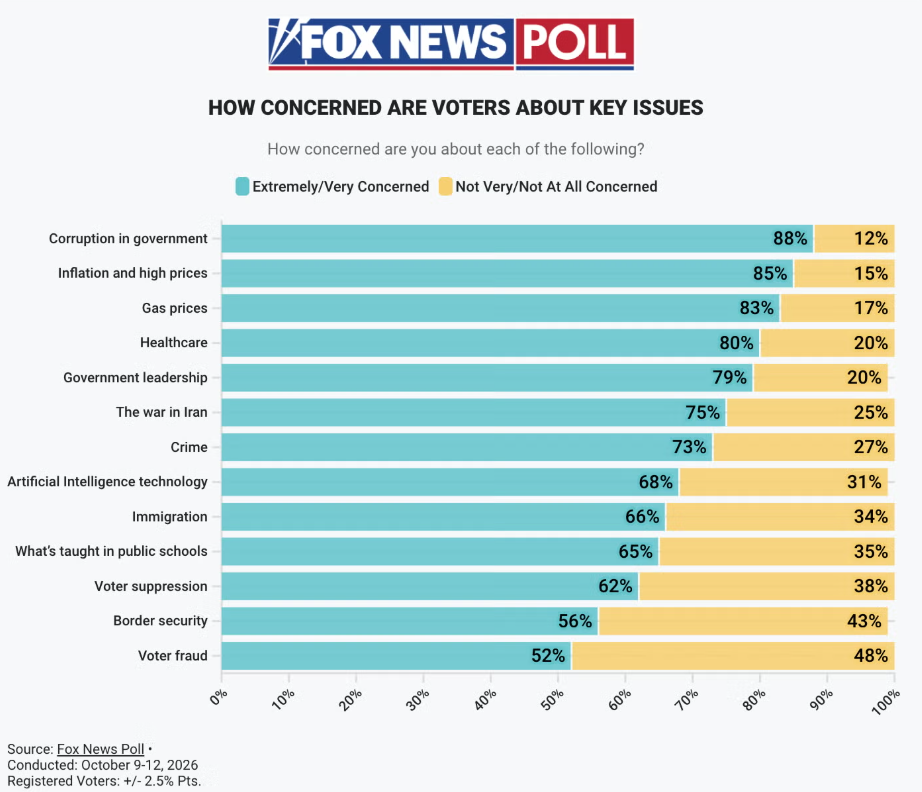
The latest Fox News poll shows that corruption is an even bigger concern for voters than the economy at 88% disapproval. That's pretty extraordinary, especially for Fox. Trump has replaced the Washington political swamp with the New York real estate swamp.

-
It will be hard for him to contest the House vote in any decisive way if the Democrats win overwhelmingly. The Senate will be another story as it's likely to be close.
-
I think the Republicans realise they will lose the House, but Trump will do everything he can to hold onto the Senate. If the Democrats win the Senate as well, they will be in a much stronger position to make his life miserable. My concern is that the Democrats are so focused on campaigning against Trump that they haven't figured out what they're actually for and what they would do to turn the ship around, so nothing much will get done for the next two years.
-
There's lots of those interviews on uTube. They're probably edited to focus on the dumbest Trump supporters, but it's extraordinary how many uninformed, naive and really strange people there are standing in those queues.
-
Definitely a good memory. I remember him on Pick-a-Box correcting Bob Dyer when Bob said his answer was wrong.
-
The first 300,000 tons is enough to last about half a day if it even arrives in the US before the election. Trump will brag about the deal but it will have very little effect on diesel prices, even if Putin delivers on his promises.