
Jerry_Atrick
-
Posts
8,965 -
Joined
-
Last visited
-
Days Won
83
Content Type
Profiles
Forums
Gallery
Downloads
Blogs
Events
Our Shop
Movies
Everything posted by Jerry_Atrick
-
It is a lovely property.. but far more neglected than surveys uncovered. For instance the cottage has underfloor wet heating and we had a couple move in for a couple of months. Out of the blue, the u/floor heating shorted and three new manifolds later (and a few hundred pounds) it was fixed. It is the constant tending to things you're not expecting that wears us down
-
I don't block it from my mind to pretend the problems aren't there..It's more I need the break from it. Often it is waiting for tradespeople who are not rip off merchants to come available. I have two tradies full time on it and they are very reasonable in their rates. Even so, it is costing me about £7k a month. We are probably two months from completion I think. Then the big clean up.
-
Paradise by dawn light?
-
Yay
-
Slightly different depending on road width. They have the right to do it but for a wide enough road they are being discourteous by doing it where they could easily ride single file to allow cars to safely pass... without interrupting their progress. Where the road isn't wide enough (often around here) it's a pain but just part of driving.
-
https://www.abc.net.au/news/2026-10-24/watch-floodwaters-swallow-four-wheel-drive-in-six-minutes/107302040?utm_source=abc_news_app&utm_medium=content_shared&utm_campaign=abc_news_app&utm_content=other
-
That "tenacity" peaks and troughs. At the moment, it is in peak mode, but there are times where I have blocked it from my mind, tbh.
-
The fault element of involuntary manslaughter is either unlawful and dangerous act; or criminal negligence. The question of legality is not as clear cut as people think. It isn't unlawful to cross a creek even if it is fast flowing. It probably is illegal to drive a car into the mouth of the Yarra river.. Also, the level of danger has to be such that it is a very high risk of injury or death. Importantly these are not strict liability offences - meaning there has to be a fault element (mens rea) and in the case of manslaughter, it is a subjective test - did the defendant actually perceive the level of danger. You're right - where these can be established, the charge will be manslaughter anyway. But the problem is, it is a high bar to reach and in road traffic accidents, there is a lot of grey area around these. For example, intentionally and at speed driving into a torrent of water will probably be evidence to meet the requirement for manslaughter. However, what if you were crossing what looked like a shallow creek with reasonably fast moving water, but it turned out it was quite a bit deeper than it looked? It would be hard to argue this would reach the bar required. So, the lesser offence, with the lesser bar, but still with a significant penal consequence available to the judge is there as a back up. I personally think this is correct, otherwise you risk catching other things in the manslaughter net that weren't intended to be. Maybe the briefings to law enforcement and judiciary should be to apply the provisions (s. 117 in the case of the NSW Road Transport Act) it more?
-
I am sort of with both camps. We can't assume everyone has the rationalisation around driving the betters ones amongst us have (BTW, I put myself as average at best at driving). Therefore betted education has to be part of the mix. I am not sure what the driving theory syllabus is today, but it really only centred around road rules, don't drink and drive, and don't speed. I am sure it has improved (e.g. in Vic and I guess other states, there is a hazard perception test, which is video based where candidates identify hazards they need to slow down, stop, or maintain speed. The practice tests (https://transport.vic.gov.au/road-and-active-transport/registration-and-licensing/licences/probationary-licence/hazard-perception-practice-tests-for-probationary-drivers will give you an idea of them. However, they don't seem to cover a lot of the hazards especially prevalent in non urban areas, such as fast flowing water. When I was preparing for my license, I attended info sessions (hardly call them courses) by the RACV as well, and they more drove home message of no drink driving and speeding, and not anything terribly much wider. I am sure it has improved today. Regardless, education as part of learning to drive and continuing education would be a very good option. Over here, if you get done for speeding less than by a certain margin (can't recall) and you haven't previously been caught in the last 3 years, instead of a fine and points, you can pay a fee and attend a speed awareness course. Yes, I have done one, but every driver should be made to do one once per three years (online would be good enough) as the course was about driving, not just speed awareness, It covered technique, many hazardous situations, emergency handling theory, etc. I found my driving habits changed.. until I got complacent again, which is why I think it would be best to be best to repeat of a reasonable periodic basis. But, of course, as the person in control of a vehicle, one also has to take responsibility and suffer the consequences of the outcomes of one's actions. And if you deliberately or through negligence/recklessness cause harm or endanger people or property, then, as with other areas of life, you need to be held accountable. The fact that most road traffic offences are strict liability offences indicates people are in command of an inherently dangerous object and in normal circumstances there is no need to prove an intention - the fact it happens - with a couple of exceptions - means the person at the wheel is criminally liable (https://www.ag.gov.au/crime/publications/commonwealth-criminal-code-guide-practitioners-0/part-22-elements-offence/division-6-cases-where-fault-elements-are-not-required/61-strict-liability). However, I think most states have a general offence of dangerous driving and it could cover driving into a fast flowing water... but may not.. For example, under NSW law, it would require death or grievous bodily harm, and there was an impact. A good lawyer could probably successfully argue driving into flowing water is not an impact within the meaning of the law. Maybe what needs to be reviewed is the strict definition of the offence (e.g. materially increases the risk of causing death or grievous bodily harm and remove the necessity of an impact). Under NSW law, a max of 7 years imprisonment is allowed for the offence.
-
We have had the first "real" rain in what seems like months. We are very much in drought here: https://www.bbc.co.uk/news/articles/cw2031mevx17o Our local reservoir, Wibleball Lake is doen to 15%. This week is forecast to be mostly wet. But, not the rain that will have too much impact on the state of the reservoir.
-
I agree with both posts above.. But if not actually, by far the loudest voice is presented by the right - at least in Aus, the USA, and the UK.. Scrolling through social media also paints a similar picture. But, yes, it isn't always the right. Sometimes it is the left, or any excuse
-
From what I could find out, the social media reports aren't correct. However, there seems to have an a ship from Russia that was carrying ammonia nitrate that docked last week. There is no confirmed shipments of diesel from Russia heading to the USA by reliable sources, anyway. An absolute kick in the teeth to Ukraine, but also to the US own military. The USA electorate is hardly switched on by foreign affairs, but there is bipartisan criticism of the deal, and this rings with rational voters. MAGA are a cult and will support anything their dear leader does, but MAGA is not as nig as a lot of people think.
-
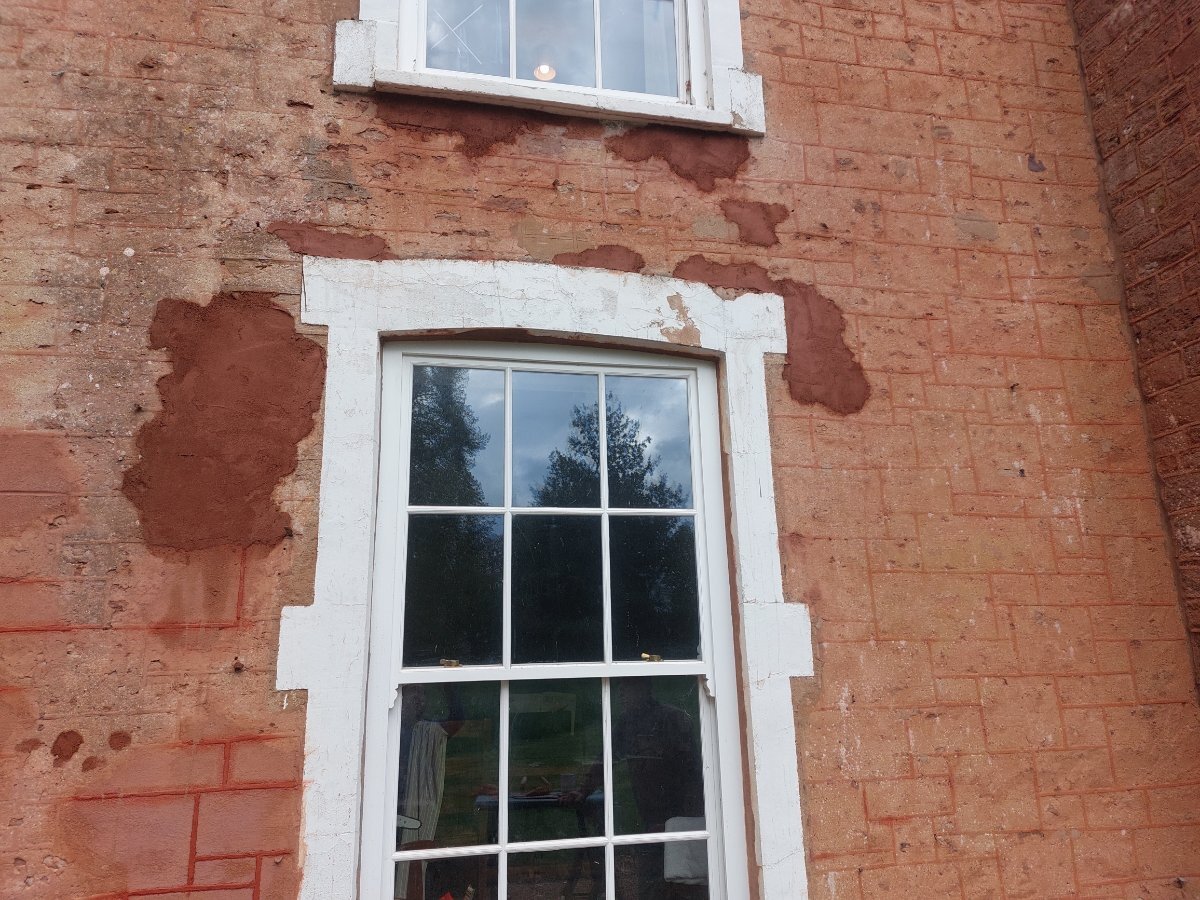
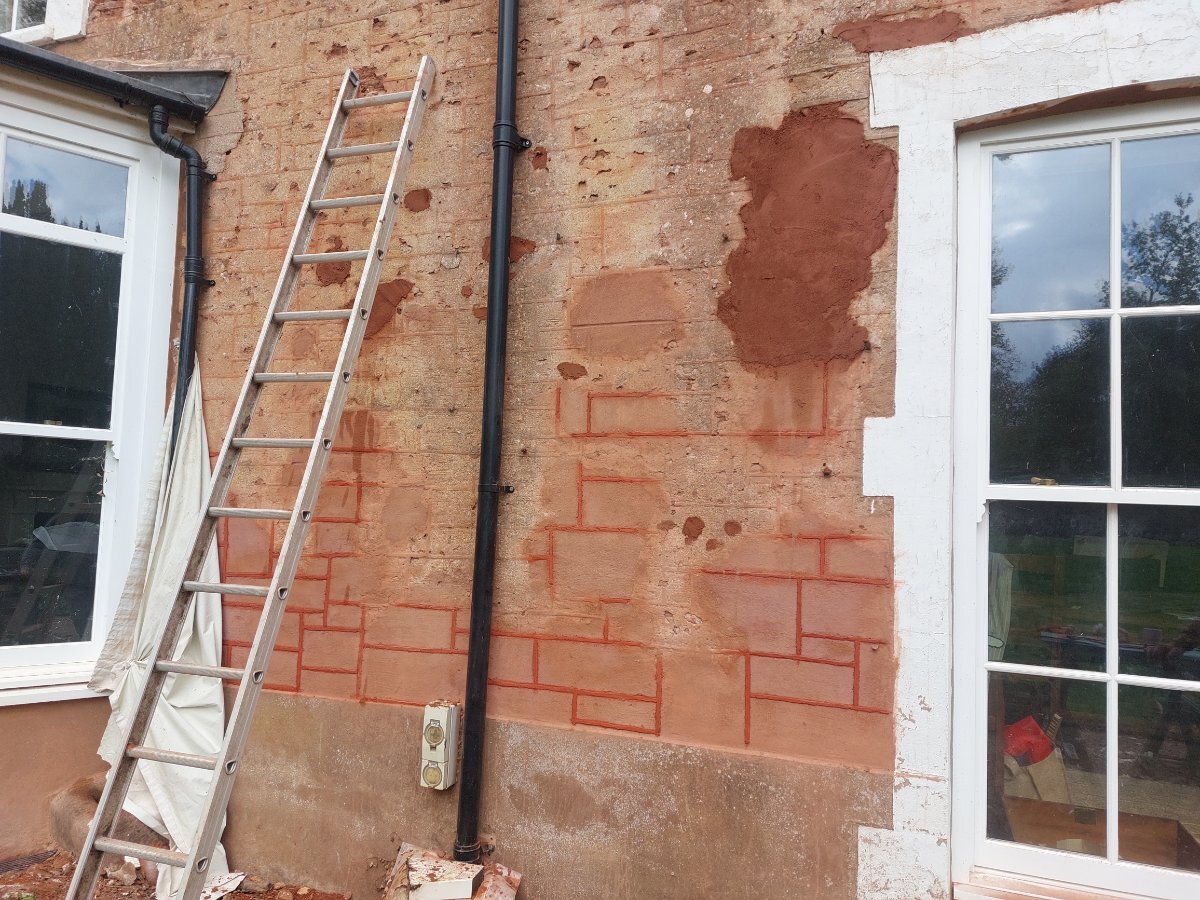
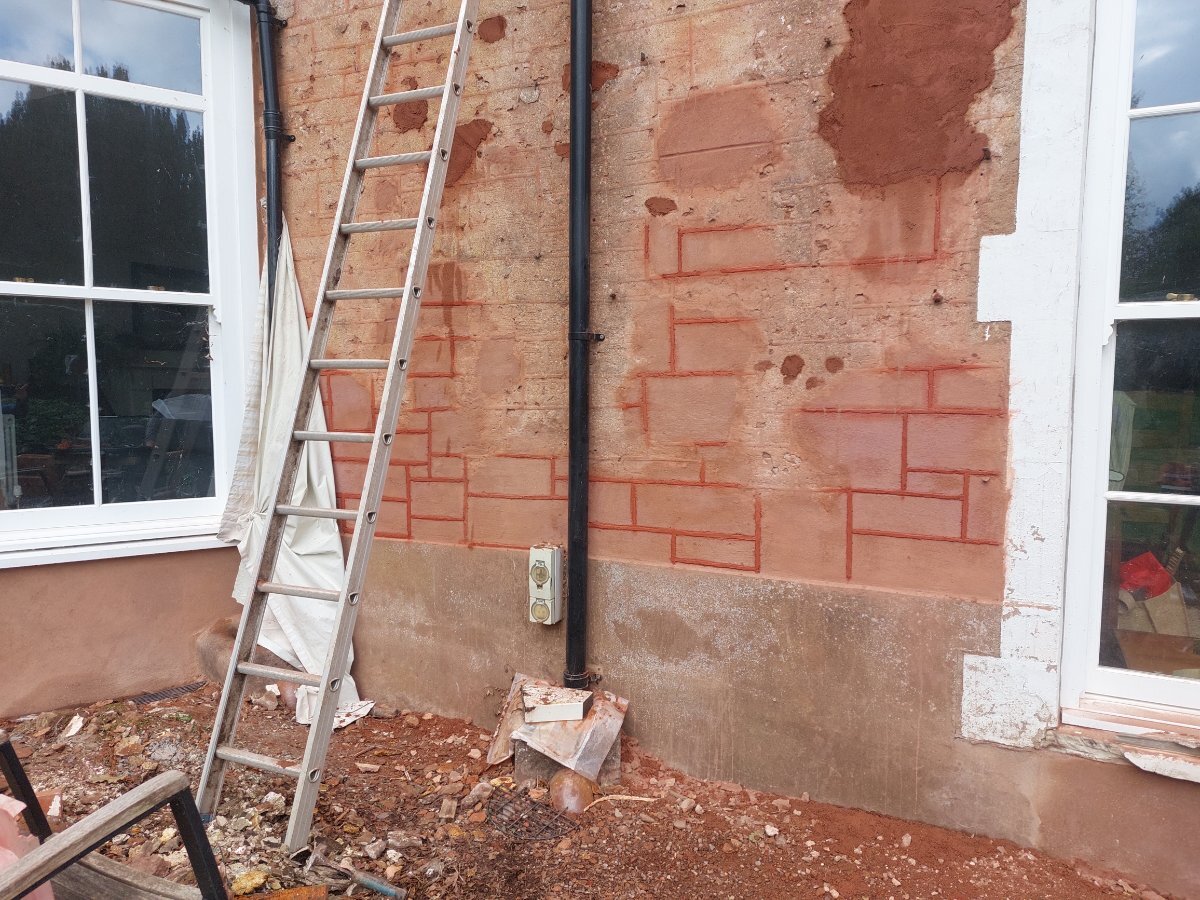
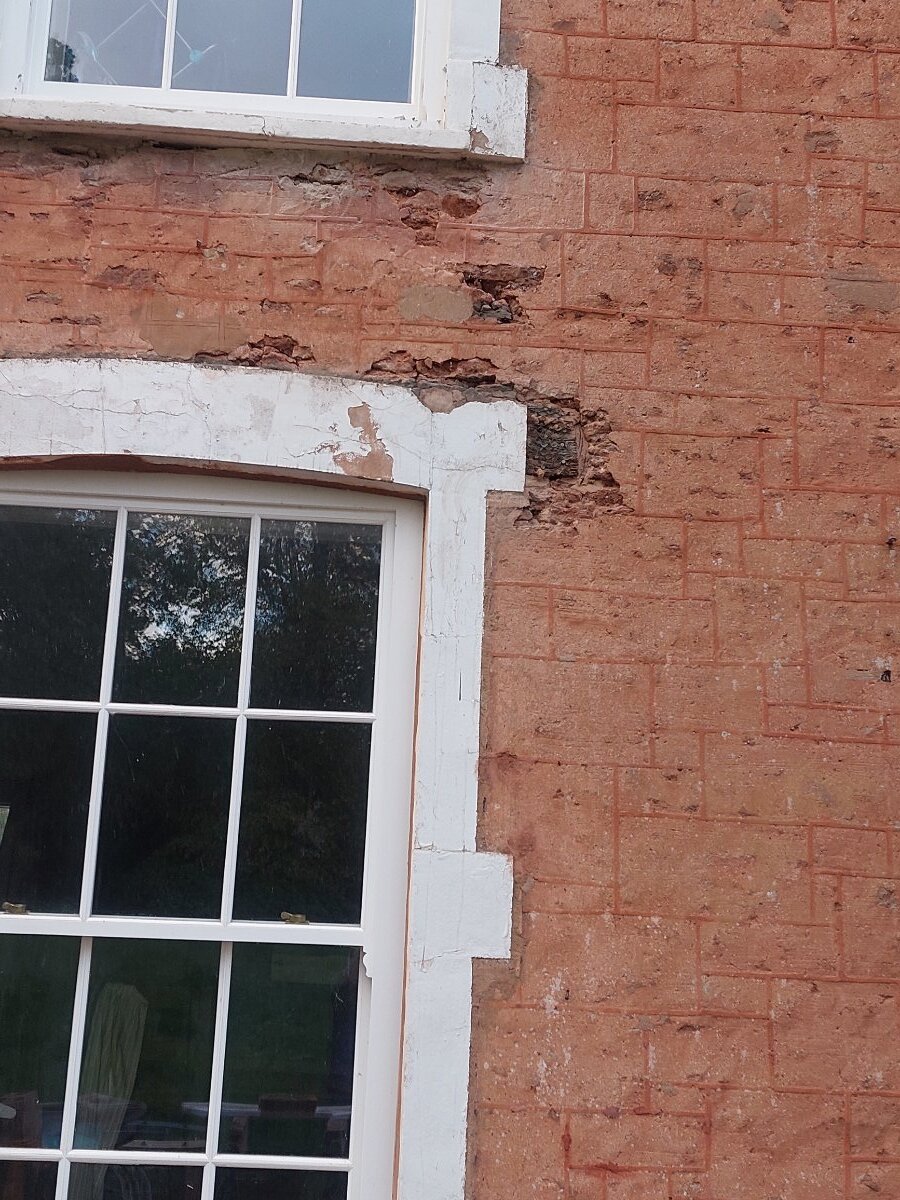
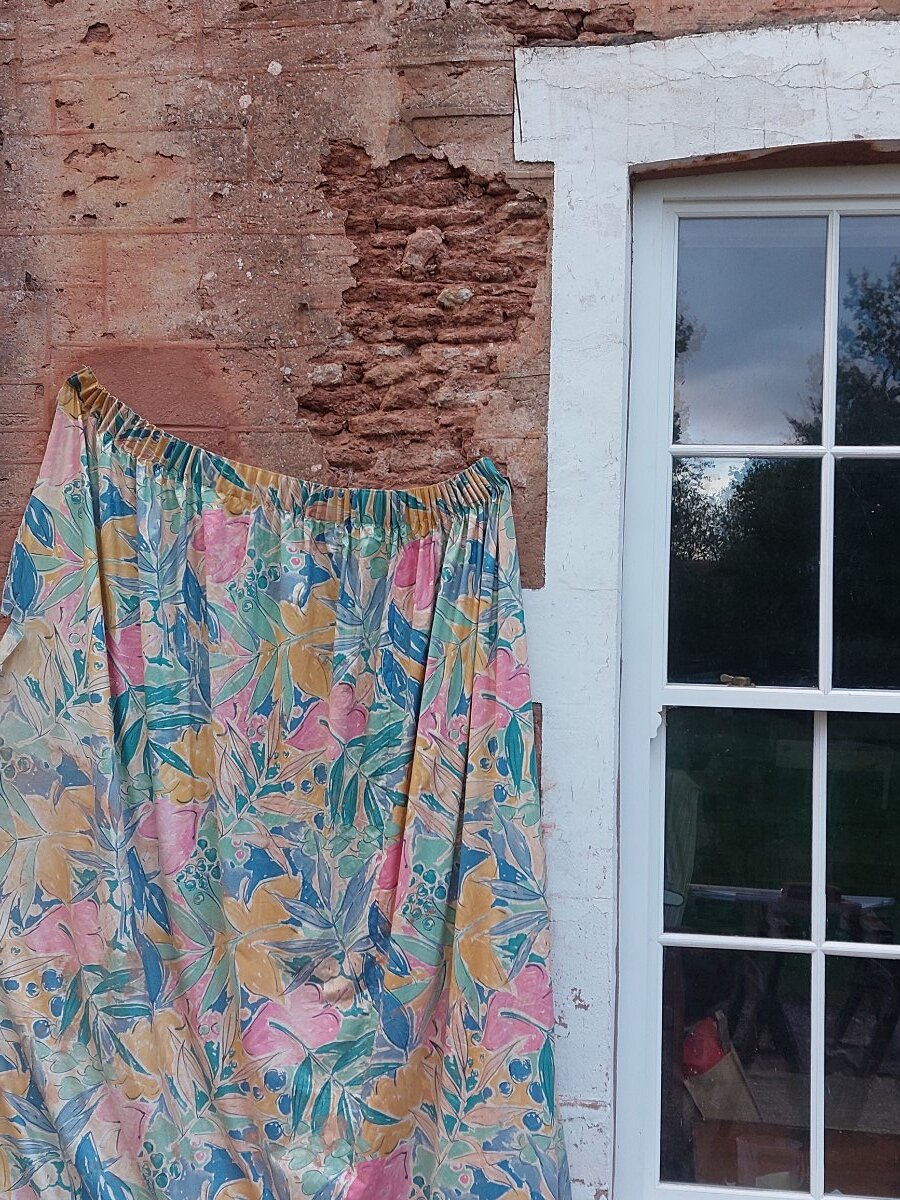
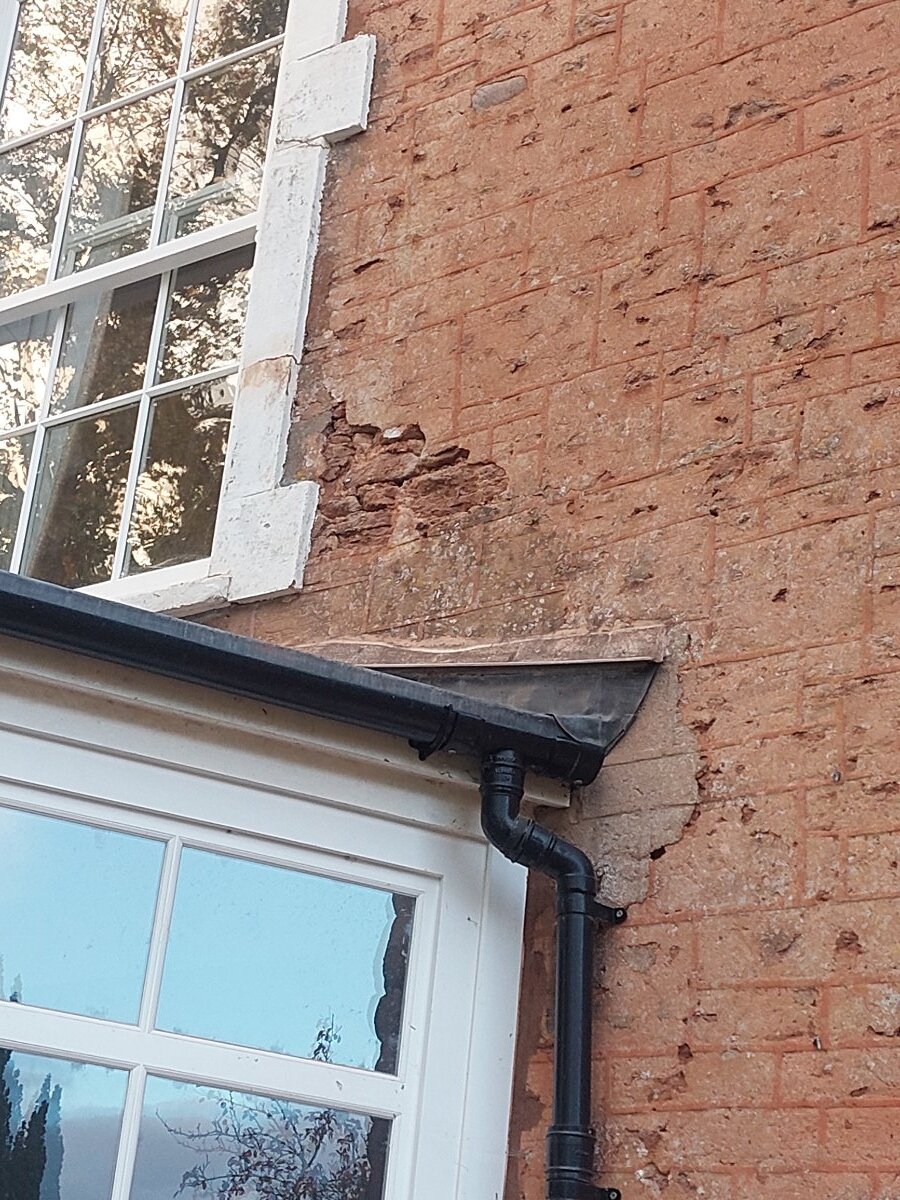
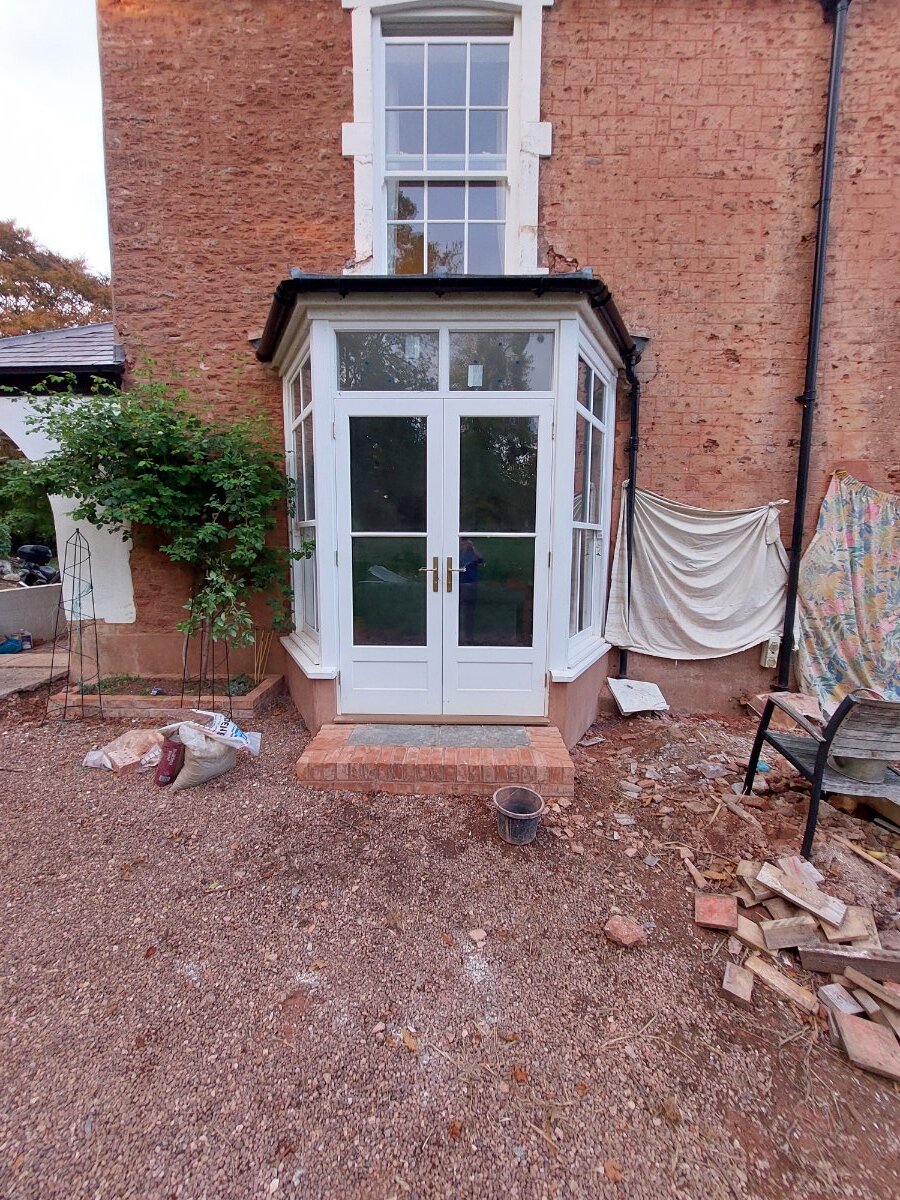
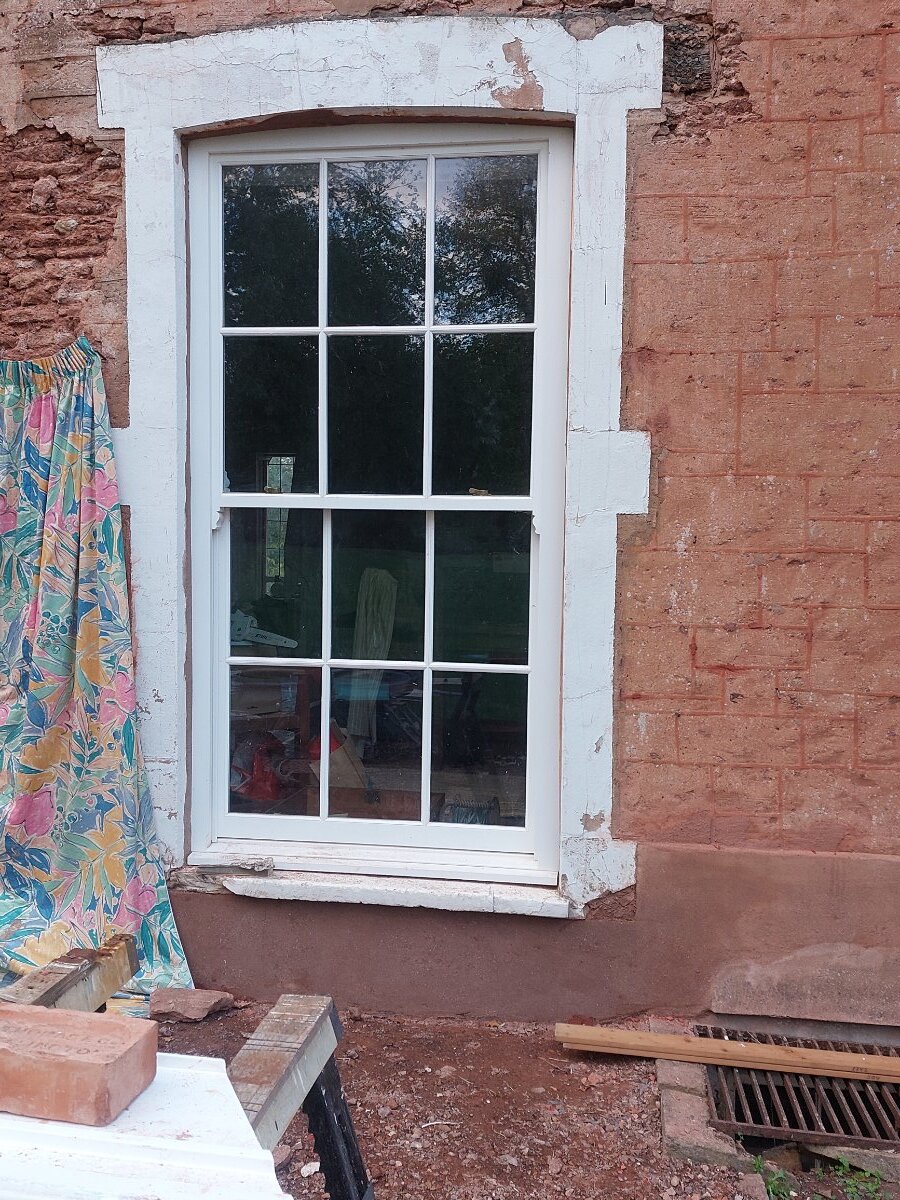
Parts of the building date back to the 1200s, but the part in the photos above is from the 1600s. The render is over stones and mortar. Some of the stone is cut to look like brick, but it is mostly stone. The render is a sand rander of some sort to give it the colour. I personally don't like it and wanted to take it all off and expose the stone, but the cost to do it was astronomical. In shoirt, some of the building is original stone, some is cut stone, and some is your bog standard red brick (or the Somerset equivalent). We do have lime render on the walls of the front door. We originally had damp all through that wall in the living room until a plasterer noticed it was a concrete render (put there by builders fixing a wall that was crushed by a fallen tree). So, we had the cement render taken off and lime render put on.. and in about a week, there was no more damp! Re the wireless access points - they were approved by the listed building officer. For small things like that, it is a simple application, some photos and a yes or a no. There is no cost (unless you want to challenge their no). As the place had most of its original interior features sold off before it was listed, the listed building officer is very reasonable - well that and the fact we have restored a lot of the building to its former glory (e.g. taking out all the PVC windows and replacing with wood - can't remember the type but apparently what would have been used in the last extension of the place in the 1800s).
-
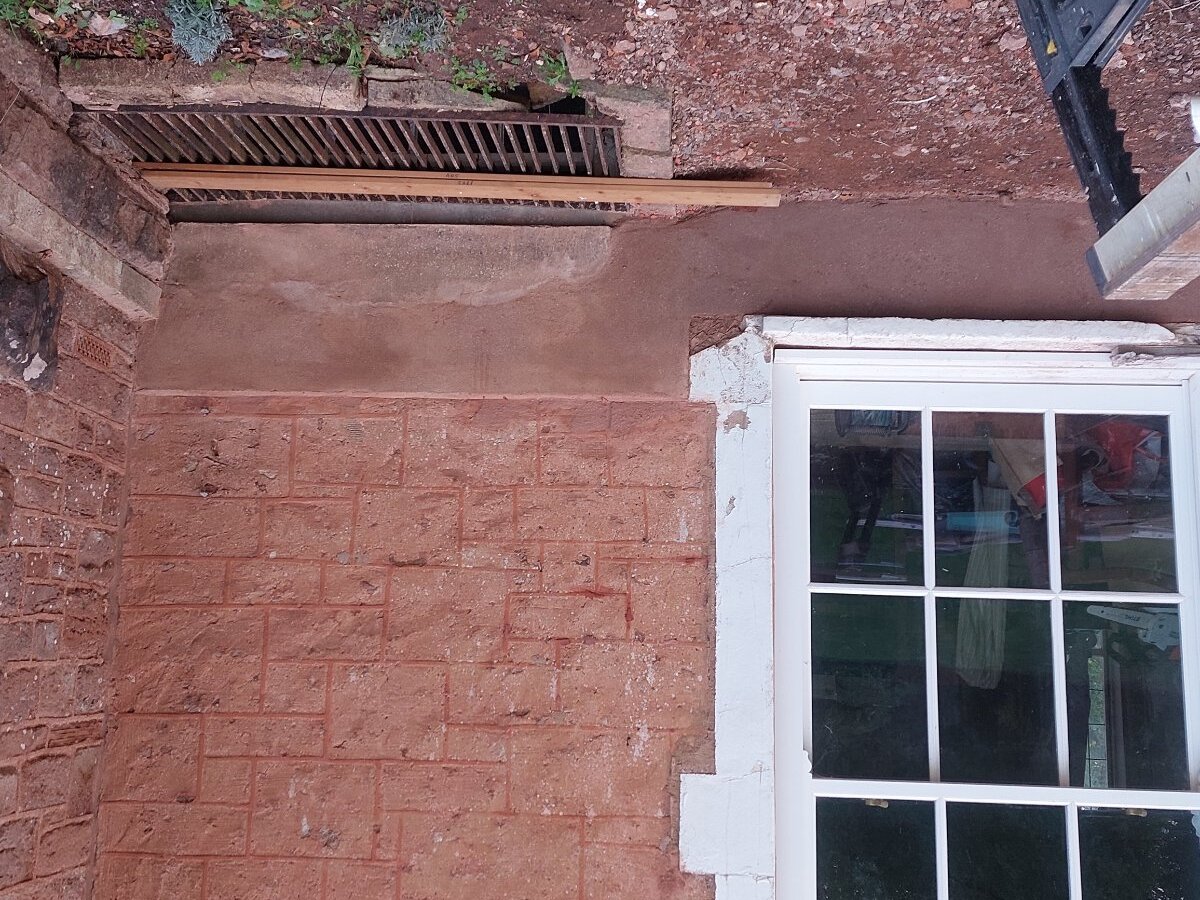
I doubt it at this rate. We should break even though. Anyway,the builder ordered 14 bags of red sand thinking it was more than enough.. We have to get another 10. Here are some photos of today's progress: Notice he is recreating the original fake brickwork in the render.. pain of a job! The sparky is in today moving the broadband and industrial virtual access points so we have full wi fi coverage through the house. They will look a bit like smoke detectors in the ceilings.

-
Has to put the above in a second post as the first was putting them in upside down - like the first picture in this one.
-
We're edging closer to completion, but of course, there are still battles to be had. The builder and I took a look at the dilapidating render on the "front" wall. We picked a little bit of it and a lot came off. He has already done a bit of work (covered up due to assist drying without too much moisture or direct sunlight apparently screwing it up. But you can see the patches that still need work:
-
It is frightening what is happening in what are normally peaceful societies. Helen Haines appears to have been mown down in front of her electoral office: https://www.theguardian.com/australia-news/2026/oct/19/mp-helen-haines-injured-incident-wangaratta-ntwnfb. First, I wish her a speedy recovery. But the rhetoric spouted by PHON and latterly some of the LP may, and I stress MAY be the straw that breaks the camel's back for some people that drives them to this sort of crap. The problem for those that spout the crap is that there maybe some equally unhinged on the other side that may be motivated to do the same to them. We have had two MPs; one from Labour and one from the conservatives murdered outside their electoral offices; and Anne Widdecombe, an ex Conservative MP and prominent member of Farage's Reform brutally murdered in her house
-
He visited our school when I was in year 12.. top chap
-
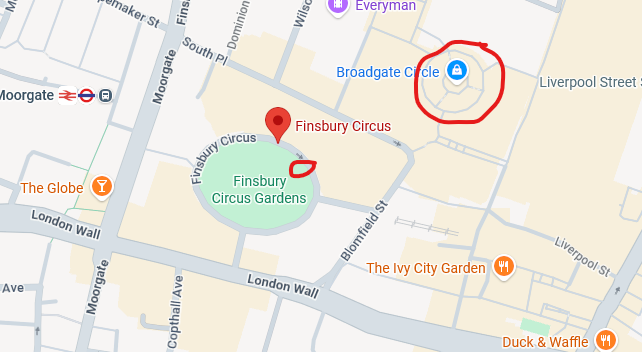
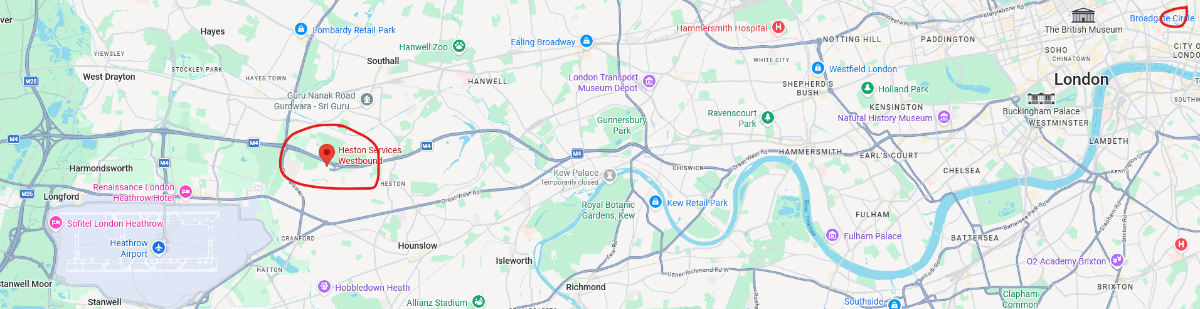
 Something outside the mundane commute. Last Tuesday morning - 3am-ish, I mounted the steed (minds out of the gutters, chaps). And was at my usual parking spot here by about 6:30am: I park at the little red circle and I walk to the big red circle for work. Just to the right of where I work is Liverpool Street station.. Not the most valuable bit of real estate on the Monopoly board, but I would love to own it. I digress. I came in to meet a direct report. We hadn't caught up face to face and decided we would meet on the Tuesday. So, after parking and chaining the bike to a railing provided by the council, I walked to the office, showered, went to my desk and bashed away at the keyboard in between the plethora of meetings I have these days.. most of which are not terribly productive. What I forgot to mention was I tried to change my now irregular Thursday night booking at the pub to Tuesday night - and low and behold there was no vacancy. So, I decided to do the Hestom Motorway Services Travelodge - Eastbound (on the side of the M4 that heads towards Heathrow): The little circle is more or less where I was parked and the big circle is on the M4 heading west.. No public transport to take one there. My direct report and I caught up at 5pm for a couple of hours - she was taking me through her designs and ideas - most of which were a little ahead of the curve. I returned to my desk, did a couple of emails that won't save the world, and then headed to the change rooms to change into my bike kit. I did the 5 minute walk to the bile; unchained it, put my backpack in the top box, and started it up. There was a slight delay with the sound of a flooded carb, but the engine popped into life. There was a small whiff of what I thought was fuel - I attributed it to a slightly flooded carb. Well, but this time, it was after 8pm and on a Tuesday eve, London is dead post Covid. So, I had an excellent run out a couple of miles to Blackfriars Bridge (on account of a closed road). When I finally pulled up at a set of lights, I smelled a strong smell of fuel - or that is what I thought it was.. I had ear plugs on, but I could hear a hiss with the engine, and when I gave it a quick rev, the hiss increased in volume. What was going on? What else is bloody wrong with this bike, I thought to myself. I looked at the fuel tank and as close to the lines as I could from the sitting position - and there was nothing untoward. But, I could feel my right leg warming up while waiting at the red light. And I looked down and - bloomin nora - there was no oil cap. It looks like someone stole it. How do I know? Well, it is possible it worked itself loose, but I check it before each commute leg, and it was nice and tight in the morning. So, at what was now about 8:45 and with no shop open, I rode it back gently to its original parking spot, hoping it just fell off or whoever perpetrated this left it close by. It was nowhere to be seen, and that includes tracing the first 250m of my ride in case they stcuk it on the seat or similar and I didn't see it in the dark, So, back to the office, change and what to do? The "hotel" I am booked into for the night can't be reached by public transport and I am not about to part with another £80 to get a cab there. So I decided to take a tube to the nearest station to the start of the M4 - Gunnersbury. While I was on the tube, I signed up to Uber as teh Black Cabs would have costed me about £30 - £40 from there. I linked my Paypal account to the Uber account for payment; a quote of £16 was quite acceptable. Before too long after alighting at Gunnersbury, I was in a clean and comfortable cab heading towards the Motorway services and the Travelodge. It turned out my driver lived in Melbourne for 9 years - Tarneit. I explained it wasn't even thoght of when I left Aus. We exchanged pleasantries and he was off. I was so impressed with Uber, I pre-ordered a ride at 6:30am to take me only about three miles to the nearest rail station to get me into London. Although it was a short distance, the price was £19; £3 more than the 6 or so miles to get me from Gunnersbury to the services. Oh well, it is a busy time of the day. The next morning, I was out at 6:35 waiting for my Uber. The night before, a driver in a Merc accepted it, but I noticed that had changed to a driver in a Prius. That is perfectly fine for me. At 6:30, there was no sight of the driver, so I opened the app and he was due, although the car wasn't showing on the app. At 6:31, I presume it was the driver, cancelled - but somehow I got slugged the £11.56 for the cancellation fee. My first thought was first (round trip) and last time I use them.. And that is the case. I will never use them again. The second thought was to get my money back. Well, the app does not make it easy to say the least. I found a telephone line, but it is for drivers (and I think couriers) only. So, I lodged a claim with Paypal. They immediately approved my claim, so I guess this happens a lot. But, how to get from the Services to the rail station to get to work. I called a local mini cab company (I approached black cabs, but they were all pre-booked). The company said it would take about 1/2 hour.. so I went to one of the services cafes and ordered a toasted ham and cheese sandwich and a drink. I literally took my first bite and the phone rang - they were here. Ship!. Thankfully the sandwich was in "to go" packaging so it went back in there and into my bag.. as did the unopened drink. I figured it would be a bit colder on the train, but I would still get my breakfast in. The driver was a devout Muslim - with a Quran in a caddy on his dash. I hadn't thought too much about it until I could smell the toasted ham and cheese sandwich wafting from my bag. "Ship" I though to myself, "I don't want to offend the fella in his own car). So, I opened the rear window. I am sure he would be fine with it, anyway. But, it was a tad cold.. I forgot to mention his price - it was £13.. £6 cheaper than Screwber. But, the traffic was soooooo bad, it took well over 3/4 hour to get to the station - not quite 3 miles away. I was livid - not at the driver - but at the crappy road planning around there. When we finally got there, I have him a tip to take the fare to a little over the Screwber. I finallly got into work, but I had one little issue - the bike, which by now had a tree seed covering the oil inlet to stop moisture and other crap getting in, still needed an oil filler cap. The problem is, there is no motorcycle spare parts place for about 12 miles in any direction, and I don't have the time during the day to trek those distances. But, I work out an M20 bolt will do it, and because they tend to have longer shafts/shanks, I will need a nut and a heatproof rubber seal, too. No probs, as there are two well known builders suppliers/hardware near the office. At lunch time I went to both, and they could stock me the washer, the nut, but not the bolt! Ship!. There is a motorcycle seller/club/bar/restaurant/cafe not too far away - the Bike Shed: https://bikeshedmoto.co.uk/?srsltid=AU7gw4Wpt_qj_fJcvBqFg3YBC3IeklsfTJqDHY9nlX2oxl6lgAyDZXr6, where you can get a basic mens haircut for only £37 ($74). Needless to say, they didn't have an oil filler cap. I had to get back to the office, but at 3pm, I said to my team. my boss and my internal clients, I have to fix the bike. I rang the closest motorcycle mechanic I looked up earlier and he told me to ride to him and he would see what he could do. Unf, he didn't have a cap, but recommended a fella about a mile away. He had nothing as well and recommended a shop a couple of miles away that specialised in bigger bikes. I rocked up. "This is your lucky day.. we are changing over a firebird engine and yours is a detuned Firebird engine). So, he went to the blown engine and cannibalised the oil filler cap. He put a new seal on, affixed it, and started up the bike to listen for any FOD. He then let it sit for about 10 minutes, while cleaning the oil spray off with a detergent of some sort, rag, and water. He declared everything OK after checking the oil level. And the charge? £5. I gave him a tenner, got a card, and said to him he had earned a new customer. Since they are open to 7pm, it makes sense as I can ride to their shop, get the Docklands Light Rail to within 200metres of the office and I don't have to tear out at 4:30pm. I rode back to the office, worked until about 9pm, dutifully checked the cap was still on and rode home. Got home at 1am (stopped for dinner).
-
I could bore you all with another commute.. not much different to the last ones, except that I followed fast bikes and not fast cars. Other than that, my last ride was the ride-on mower. Bloody three hours today and only 1/3 of the place done. It is cooling here.. only 14 degrees c today... but the wind kept the grass (and Dandelions) dry.. But, the grass has rebounded after the summer's dryness and is as thick as treacle.
-
Although I didn't intend to make this thread about PhDs or Chalmers specifically (both unintended consequences), it seems Chalmers needn't have worried about mind reading what could possibly happen under his watch - it was laid out for him in very good time: https://www.theguardian.com/australia-news/2026/oct/18/labor-knew-in-july-months-earlier-than-previously-admitted-that-ato-planned-to-ban-credit-card-payments Here's another unintended consequence. El Chumpo has decided to defer the sanctions bill pushed through by the late Lindsay Graham, who finally seemed to find a semblance of a moral compass. In addition, he decides he is going to allow Russian [blood] oil onto the international markets in a vain effort to lower domestic Diesel prices. Allowing Russia to sell oil and receive money will undoubtedly result in them being able to fund more pain on Ukraine. However, what el Chumpo (and his team, I guess) either missed ot don't care about is that Russia supports Iran... providing them oil for, inter alia, their military as well as intelligence - of where US positions are and movements. Both if these are used to attack the US in the ME and the US' allies (Houthi's are baving a ball with Saudi at the moment). I would like to think the unintended consequence of Chump's folly focus on a vain attempt at reducing domestic Diesel prices would result in potential deaths to Americans and her allies thanks to Russia supporting Iran?
-
It would be an unintended consequence if you got a refund for insurance paid and never claimed.. that is for sure.
-
I agree with most of your post.. and I agree that those who need to roll over credit every month are susceptible to failure. After all, the stats for new startups is never great. But there are two things to point out. First, those businesses that are needing to use it every time and liable to fail, probably do within 12 months. They will use all credit available to them. The banks aggregate your credit risk across all known forms you can have. If you have a mortgage, a credit card, a car loan, a personal loan, are the director is person of control in a private company that has a company loan and company credit card, chances are they know about all of them them and they aggregate them to give a credit risk profile. So chances are, if you're in stress, they will know. And then, if you default on one of those loans, you default on all of them - that is under the BASEL rules (2.1 to be precise), which Australia has incorporated in its law. So if you are making out your credit cards, chances are the house of cards will come falling down fast. My point is, if you are constantly relying on the most expensive form of debt to keep you afloat, you are only prolonging the inevitable a short period of time. However, how many of the businesses may (and I stress, may) be using it for the occasional - or even frequent, but not financially punitive cash flow management. For example, you may have a bunch of clients that are poor payers.. As BAS accrues generally in the period the sale was made and not the cash was taken, you would be simply waiting for payment )yes, there are exemptions to allow payment of BAS in the period payment is collected, but that is by far the exception). So, to cover the BAS and prevent punitive penalties, you resort to a credit card. I imagine a fair share of those that avail themselves to their credit cards are in this or some other bucket that doesn't mean they are about to go to the wall. There are over 2.5 million small/medium businesses in Australia at last count; there is ample room for the temporary cover versus go under businesses. Until we know the stats, jumping to the conclusion that all, or even a vast majority are about to go to the wall is just that.. jumping to a conclusion. But that is thread drift. The thread is about government decisions and unintended consequences. What no one has picked up on is the fact that the "removal of credit card surcharges" is likely to mean that everyone pays for it whether or not they use a credit card.. and that it hides information from the consumer to give them a choice (or accept it). If I were a coffee shop owner, I may think I don't have the spare margin to absorb this. So, I would look at my sales of both credit and non credit cards; average them out and then apply the addition across all of them.. and the non credit card consumer subsidises the credit card user because I would want to keep my price increases as small as possible. I would say that can become an unintended consequence - mainly because those in the position to make the decision have probably not thought about it.
-
TBH, I am not sure I know what this means. Do I expect them to mind read? Of course not. I expect them to think. And of course, the ATO's operations are largely independent, but they do speak with their minister - it would be preposterous to say they wouldn't. Especially when a pre-implemented initiative is launched - there is usually a consultation period or some time before its implementation to give people time to adjust. Are you telling me the ATO wouldn't have said some time since its announcement and implementation - when they were preparing to pull the credit card payments - that they wouldn't have had a word. If that is the case and they knew it was going to impact a lot of businesses, then I would say that is incompetence of the ATO. Just to quote myself: A little sarcasm, I will admit, but I will put it simply: I get that Jim Chalmers wouldn't have consulted the ATO as he probably wasn't aware of the significance of credit card payments on taxation payments. I would be very surprised given the potential implications, they ATO didn't have a whisper in his hear.. and I am betting they put it like "well, we will lose xbn, so we will scrap it", not to say there will be a big impact to small business, because let's face it, they care little about it. Australia;s AAA rating has been around by at least one ratings agency (there are three big ones) since 2002 and across all 3 since 2011. And I am sure we agree there has been some pretty crap economic management in that period. So,. I am not sure what that bit has to add to the context. This is probably more down to Australia's resources boom than much else. And Chalmers being a PhD.. big deal. I interview one at least every 6 months and have been for about 10 years. I have probably hired four and kept one. An academic qualification does not automagically translate into real world capability. But, this post wasn't about Jim Chalmers. I have a lot of respect for him. It was about general government (including public service) incompetence - or maybe hubris - and how it leads to unintended consequences.. And how a decision in the interest in consumers - in this case hiding fees - may be not actually driven by such altruistic claims. And what does "A business not being able to Pass on a gov't cost is BS. We pass on GST in full. " What in my post does that relate to? BTW, there will probably be a lot of businesses that have had to swallow some of the GST to keep competitive with the big businesses. GST and VAT here work almost exactly the same.. and the hospitality industry especially suffer for it. Sorry if I yet again offended your sensibilities.. I wasn't picking on Labor.. there are plenty of examples on all sides..
-
Jim Chalmers must be feeling its effects today. The "abolition" of credit card surcharges to make the coffee cheaper according to Albo resulted in the ATO scrapping taking credit card payments for tax. I am not sure, but I thought the treasurer would have been consulted before the ATO decided to scrap the ability to pay with a credit card, especially if so many small businesses rely on it - which is in itself a worrying sign. I am trying to work out if this is really unintended consequences or just incompetence. Here is my conspiracy theory. When a consumer is presented a bill at the counter, and they will be slugged a fee for using the credit card, unless they are broke or tempo short of cash on their debit card (assuming they are not going to cop a bigger charge on their debit card use), then they are likely not to use that credit card. That causes a bit of a headache to the credit card companies as that is less lending they are dolling out and less transaction surcharges they are making. So, maybe lobbying the government (and i have no evidence of this), they managed to persuade the government that not allowing credit card surcharges was in the consumer interest. Or maybe consumer groups took the kool-aid and suggested the same to the government - with good intentions. What people forget is that, especially for small businesses - these charges can be 3% + a minimum transaction fee. For small items like a coffee, that can be a bit of change per transaction for the flat fee. But, if a business can't charge a surcharge, they are left with two options: 1. absorb it because all small business owners are greedy bar stewards and want to fleece the public, right? Or two, just pass it on in increased prices - to everyone. But, that way, if you're tempted to use your credit card and avail yourself of the, is it 55 days interest free period, you will do it. The credit card companies still get some money and you're none the wiser. So, Albo spruiking the coffee being cheaper is not quite true and there were stories of before and after prices of the surcharge ban coming in was a biot of an own goal depending on where you purchased your coffee (and other things). Now, the ATO issue. I get that little issue of credit card surcharges on the tax payment may have slipped Chalmer's mind. I mean I am not sure he has had the experience of running a small business and the cash flow issues that come with that. I am not even sure he would have bothered to consult the ATO on the move because the ATO is about tax, and not credit card payments. But, surely, the ATO would have consulted Chalmers before making a unilateral decision to withdraw accepting credit cards if so many small businesses make their payments with credit cards. After all, the ATO just can't raise its prices. In which case, maybe Chalmers forgot to ask how many make the payments and how much is paid using credit cards. I would guess that the ATO would have presented it as, "Gee, boss. If we can't make credit card payment surcharges and unilaterally increase the corporate tax rate, GST, or whatever taxes are paid this way, then we will lose $xbn to the credit card companies." And everyone got fixated on the cost and not the impact. So rather than ask why that would be the case and what would be the impact of going ahead or not introducing a carve out for ATO payments (apart from that being political suicide), the ATO just went ahead - after all - they are a bit of a law unto themselves. Well, it has come to bite the government on the bum. In the scheme of things, not in a huge way, and it will all blow over - The problem is that the decision to allow credit card payments to be taken by the ATO will only be for a year. What then? But, this is an example in poor thinking. The idea that the surcharge would be a boon for consumers is a joke. Ye, only 17& of cafes in this case have unilaterally increased their prices - you can bet others will follow suit. Also, you don't, as a consumer get to take advantage of a lower price by not using cheaper forms of payment. How is that a boon for consumers? Yes, you coul argue it punishes those who are skint at the time.. Er.. if you;re skint, shouldn't you be paring back a bit anyway - using a credit card will just make you skinter. And you have just cut off an important cash flow management capability for small businesses. Well done. I used to have a small software reseller in Aus.. I can't recall if it was Westpac or Anz that provided the merchant facilities to take credit cards, but I recall in the contract, I couldn't apply surcharges (well it was worded I couldn't offer discounts to those not using a credit card that wasn't available to those who used credit cards, if I recall correctly). The transaction costs sometimes made a sale unprofitable when competing with the big fellas. I managed to eek out a living from it, but jeepers it was tough. And that was offering support to try and bring in some margin against the big fellas. Almost every consumer is cost conscious - one learns that very quickly despite what the text books say. I put these sorts of government decisions more to incompetence than to unintended consequences - but the latter is usually the result of the former.